Food Truck in Austin: Investment, Permits and Daily Earnings Explained
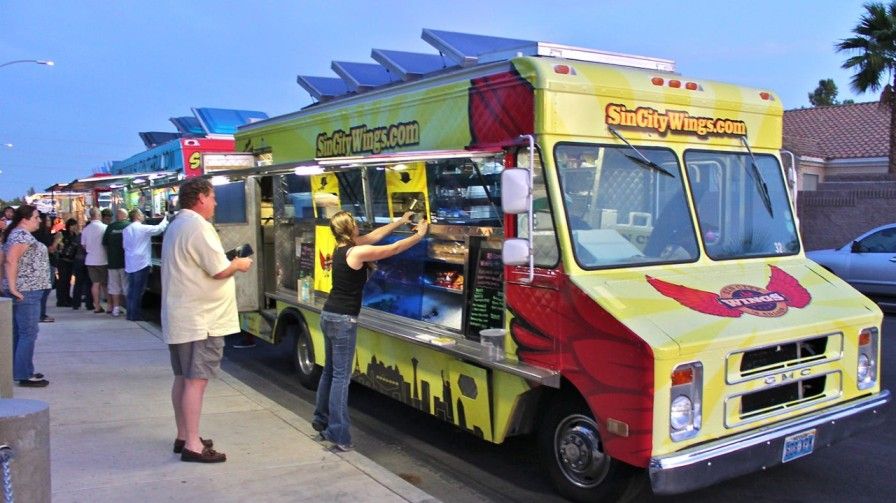
Starting a Food Truck in Austin is one of those business ideas that looks fun from the outside and can actually be profitable if done right. You get to serve food, move around the city, and connect with customers directly. Sounds great, right?
Austin is known for its lively food scene, music festivals, and outdoor lifestyle. This creates a strong demand for quick, tasty, and unique food options. But before jumping in, you need to understand the real costs, legal steps, and earning potential.
What is a Food Truck Business?

A food truck is basically a restaurant on wheels. You cook, prepare, and sell food from a truck instead of a fixed location.
The biggest advantage is flexibility. If one location is slow, you can move to a better one the next day.
Why Austin is a Hotspot for Food Trucks
Austin stands out because:
- ●People love trying new and local food concepts
- ●Events and festivals happen all year round
- ●Outdoor dining is common due to the weather
- ●Lower startup risk compared to opening a full restaurant
Investment Required for a Food Truck in Austin
Starting a Food Truck in Austin requires a clear understanding of your upfront and ongoing costs.
1. Initial Setup Costs
Food Truck Purchase – Used truck: $40,000 to $80,000
Food Truck Purchase – New custom truck: $75,000 to $150,000
Kitchen Equipment (Grills, fryers, refrigerators, and storage): $10,000 to $25,000
Permits & Licenses – Health permits: $500 to $1,000
Permits & Licenses – Business registration: $100 to $500
Permits & Licenses – Fire inspection: $100 to $300
Permits & Licenses – Parking permits: $300 to $1,000
Initial Inventory (Ingredients and supplies): $1,000 to $3,000
2. Monthly & Yearly Operating Costs
Fuel: $300 to $1,000 per month
Staff Wages: $2,000 to $6,000 per month
Maintenance: $200 to $1,000 per month
Insurance: $2,000 to $4,000 per year
3. Total Investment Overview
Budget Setup: Around $50,000
Standard Setup: $80,000 to $120,000
Premium Setup: $150,000+
Permits Required for a Food Truck in Austin
Permits can feel confusing at first, but breaking them down helps.
Mobile Food Vendor Permit
This is your main license to operate legally in Austin.
Health Permit
You must pass inspections to ensure food safety standards. This includes cleanliness, storage, and cooking practices.
Fire Safety Permit
Required if your truck uses gas, grills, or fryers.
Commissary Kitchen Agreement
This means you must use a licensed kitchen for:
- ●Food storage
- ●Cleaning
- ●Waste disposal
Parking Regulations
You cannot park anywhere you want. You must follow city-approved zones and rules.
Daily Earnings of a Food Truck in Austin
This is where things get interesting.
1. Average Daily Sales
Slow Days: $500 to $800
Normal Days: $1,000 to $1,500
Busy Days: $2,000 or more
2. Event & Festival Earnings
Festivals & Events: $3,000 to $5,000 per day
3. Monthly Revenue Estimate
Low: $15,000
Average: $30,000 to $50,000
High: $70,000+
4. Profit Breakdown
Profit Margin: 10% to 25%
Key Factors: Location, pricing, food costs
Note: Your profit depends heavily on location, pricing, and food costs.
Why Many Food Truck Businesses Fail
Even in a strong market like Austin, many food trucks shut down within the first year.
Poor Location Strategy: Being in the wrong spot can cut your sales in half.
No Clear Concept: Trying to sell everything often leads to selling nothing well.
Underestimating Costs: Many owners forget about fuel, repairs, and slow days.
Lack of Marketing: If people do not know where you are, they cannot buy from you.
Inconsistent Quality: Customers expect the same taste every time. If it changes, they stop coming back.
Tips to Improve and Grow Your Food Truck

Build a Strong Brand: Choose a theme, name, and design that people remember.
Keep Your Menu Simple: Focus on a few items and make them excellent.
Use Social Media Daily: Post your location, menu, and updates regularly.
Partner with Events: Festivals, office parks, and breweries can increase visibility.
Track Your Numbers: Know your daily sales, costs, and profits. This helps you make better decisions.
Mistakes to Avoid
- ●Buying an expensive truck without testing the business
- ●Ignoring legal requirements
- ●Changing locations too often without a strategy
- ●Not planning for slow seasons
- ●Overpricing or underpricing your menu
Final Thoughts
A Food Truck in Austin can be a rewarding business if you approach it with the right plan. The city offers strong demand, but success depends on execution.
If you manage your costs, follow the rules, and stay consistent with quality and service, your food truck can grow into a reliable and profitable business.
Ready to Get Started?
Starting a food truck business is doable — thousands do it every year — whereas the ones who make it work know their costs inside out and stay organised from day one.
That's where BossWorks comes in. We build a launch plan for your specific business and location, every step, every cost, every deadline.
Frequently Asked Questions
Most food trucks cost between $50,000 and $150,000 depending on the setup.
Yes, you need multiple permits, including a mobile vendor permit and health approval.
Daily earnings usually range from $500 to $2,000, and even higher during events.
Like any business, it has risks, especially related to location and costs, but proper planning reduces them.
Items with low cost and high demand, like tacos, burgers, and BBQ, tend to be the most profitable.