Food Truck Business in Miami: Licenses, Permits and Easy Setup Guide (2026)
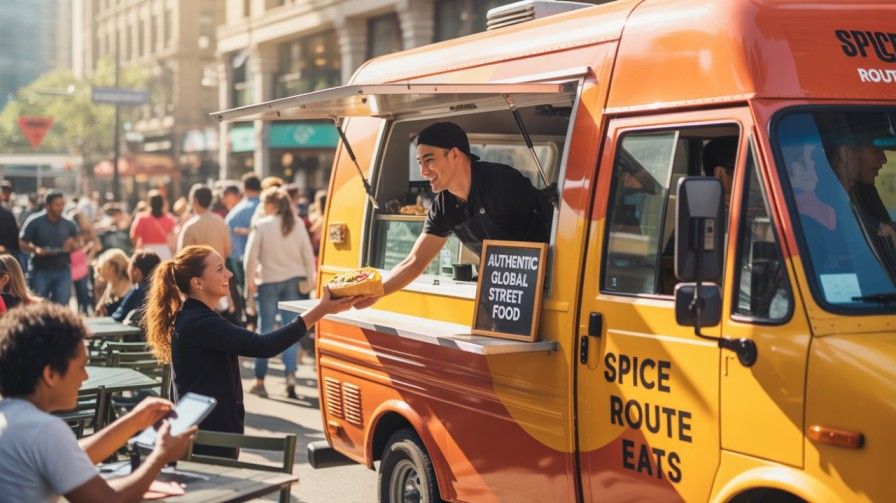
Starting a Food truck business in Miami is one of the easiest ways to enter the food industry without spending millions on a restaurant. With busy streets, beach crowds, and year-round tourism, Miami offers a strong customer base for mobile food businesses.
But there is one thing many beginners underestimate. This business is not just about cooking and selling. It is about setting up legally, choosing the right locations, and managing costs smartly.
Understanding the Food Truck Business in Miami

A Food truck business in Miami works like a moving restaurant. Instead of waiting for customers to come to you, you go where the customers already are.
Miami makes this model work well because:
- ●Tourists are always exploring the city
- ●Locals prefer quick and affordable meals
- ●Events and festivals create high-demand zones
In this business, speed and simplicity matter more than variety. A focused menu helps you serve faster and manage costs better.
Licenses and Permits You Must Have
Running a food truck without proper approvals is risky. Even a small mistake can lead to penalties or a shutdown.
Here is a clear breakdown:
Business License
Why It Is Required: Legal registration of your business
Authority: Miami-Dade County
Mobile Food Vendor License
Why It Is Required: Permission to operate a food truck
Authority: Florida DBPR
Health Permit
Why It Is Required: Ensures food safety and hygiene
Authority: Health Department
Fire Safety Permit
Why It Is Required: Required for cooking equipment safety
Authority: Fire Department
Parking Permit
Why It Is Required: Controls where you can operate
Authority: Local Authorities
Commissary Agreement
Why It Is Required: Access to a licensed kitchen
Authority: Approved Facility
What Most Beginners Miss
Many new owners think they can start selling once they have a truck. In reality, approvals take time. Planning your paperwork early saves delays later.
Cost Breakdown for Setup
The cost of starting a Food truck business in Miami depends mainly on your truck and setup choices.
Used Food Truck: $40,000 to $80,000
New Food Truck: $80,000 to $150,000
Licenses and Permits: $2,000 to $10,000
Equipment and Setup: $5,000 to $20,000
Initial Inventory: $1,000 to $3,000
Cost Insight: A high investment does not guarantee success. Many profitable food trucks start with basic setups and grow gradually.
Step-by-Step Setup Guide
Starting your food truck becomes manageable when you follow a clear process.
Step 1: Decide Your Food Concept
Choose something simple, fast, and in demand. A focused menu improves speed and reduces waste.
Step 2: Plan Your Operations
Instead of a long business plan, focus on clarity:
- ●Target customers
- ●Selling locations
- ●Pricing strategy
Step 3: Get Your Truck
You can either buy or rent. Buying gives control, while renting lowers initial risk.
Step 4: Complete All Licenses
Finish all legal steps before launching. This avoids interruptions later.
Step 5: Set Up and Test
Install equipment, check workflow, and test your service before going live.
Location Strategy in Miami
In a Food truck business in Miami, location is more important than the menu in many cases.
High-performing locations usually include:
- ●Beach areas
- ●Tourist zones
- ●Business districts during lunch hours
- ●Events and festivals
Key Point: A good location can double your sales without changing your food. A bad location can kill even a great concept.
Why Many Food Truck Businesses Fail
Understanding failure points helps you avoid them early.
- ●Legal shortcuts: Starting without permits leads to shutdown risks
- ●Complex menus: Slower service and higher costs
- ●Wrong locations: Low visibility means low sales
- ●Overspending: High investment reduces profit margins
- ●No visibility: Customers cannot buy if they cannot find you
Practical Insight: Most failures are not due to bad food. They happen because of poor planning and execution.
Common Mistakes to Avoid

Instead of general advice, here are specific mistakes directly related to this business:
- ●Delaying license applications and missing launch timelines
- ●Buying an expensive truck before validating your idea
- ●Ignoring local parking rules
- ●Not planning daily locations in advance
- ●Stocking too much inventory and facing wastage
- ●Underestimating competition in busy areas
Final Thoughts
A Food truck business in Miami is a practical way to start in the food industry with lower risk compared to a restaurant. The demand is strong, and the flexibility allows you to adapt quickly.
However, success depends on doing the basics right. Proper licenses, smart location choices, controlled costs, and a simple menu can make a huge difference.
If you treat this like a real business and not just a side hustle, it has strong potential to grow into a profitable venture.
Ready to Get Started?
Starting a food truck business is doable — thousands do it every year — whereas the ones who make it work know their costs inside out and stay organised from day one.
That's where BossWorks comes in. We build a launch plan for your specific business and location, every step, every cost, every deadline.
Frequently Asked Questions
It usually ranges from $50,000 to $150,000, depending on your truck and setup.
It can take a few weeks to a few months, depending on approvals and inspections.
No, you must follow the location and parking regulations set by local authorities.
Yes, in most cases, it is required for food preparation and storage.
Yes, it has lower investment and more flexibility, but it still requires proper planning and legal compliance.